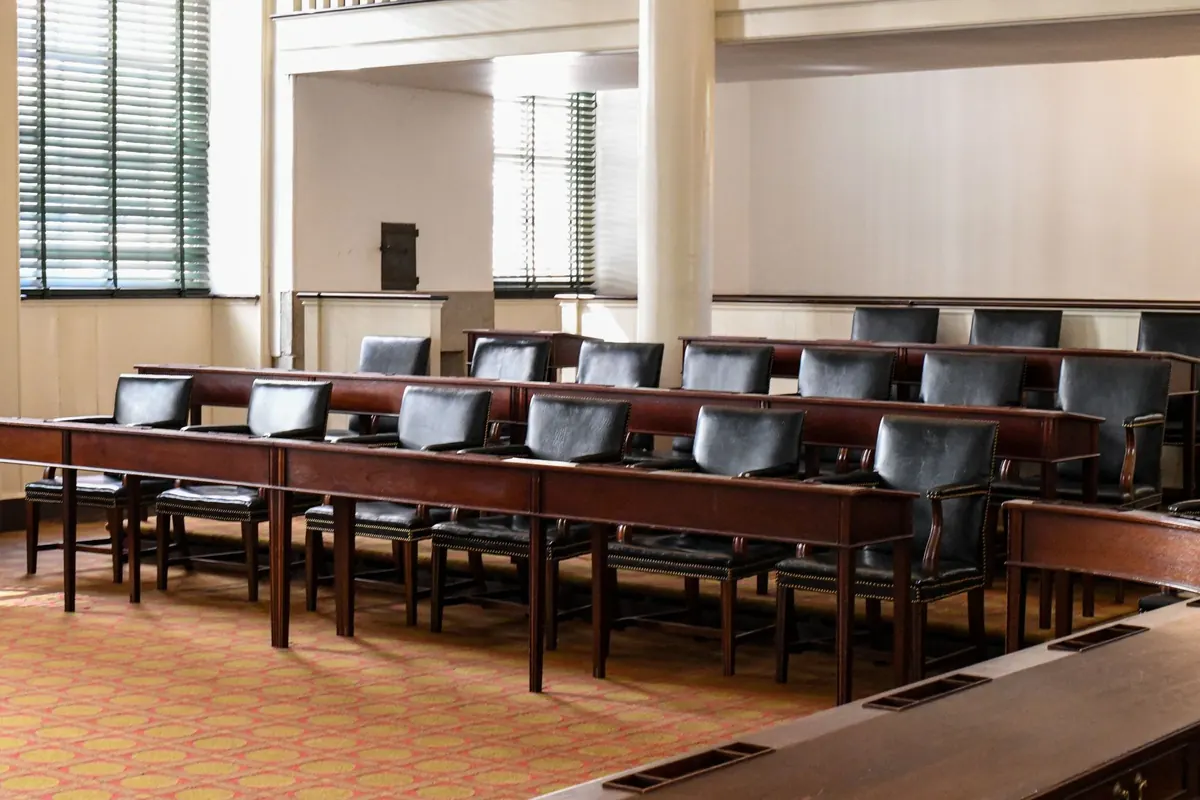
Council chambers can feel like a closed world: acronyms, procedural shorthand, the same six faces who always speak first. Then a vote lands, the budget shifts, and forty thousand people are affected. A council meeting is not a chore to be endured. It is where housing, schools, road repairs and bin collections actually get decided. Here is how to cover one properly, from the first skim of the agenda to the version of your copy that survives the news desk.
Read the papers before you set foot in the room
Agenda packs are long. Some run to several hundred pages, and nobody expects you to read them like a novel. You are hunting for the decision. Start with the officer's report on each item and find the recommendation — it is usually printed in bold, along the lines of "That the committee approves…". That line is the spine of your story. Ask yourself what changes if it passes, and who notices.
Then work through the questions that matter:
- The money. What does it cost, who is paying, and what was spent before?
- The history. What did the council decide last time, and did it work?
- The people. Which streets, schools, services or residents are affected?
- The friction. Where have objections come from, and from whom?
Read the minutes of the previous meeting, check the forward plan for upcoming cabinet decisions, and ring the press office the day before. Ask what has been withdrawn, what has been added, and who is expected to speak. A two-minute call saves an hour of confusion in the room.
Know which meeting you are in
Not all council meetings work the same way, and the differences shape what you can report.
- Full council: every elected member, sets the budget and the policy framework, often the noisiest, usually with a public question time.
- Cabinet or executive: the leadership taking key decisions, often on officer recommendations.
- Planning: individual applications, sometimes site visits, usually short and tightly timed slots for objectors and applicants.
- Licensing and regulatory: individual cases decided against a legal test, with strict procedure and sometimes reporting restrictions while a case is live.
- Overview and scrutiny: policy reviews, called-in decisions and witnesses. Excellent for context and for long-running stories.
- Audit and standards: governance, risk and complaints. Dull on the surface, occasionally explosive underneath.
In England, the 2014 openness regulations give you the right to film, record, tweet and live-stream most public meetings. Arrangements differ in Scotland, Wales and Northern Ireland, so check rather than assume. If an item is classed as exempt or confidential, you and the public will be asked to leave. Ask which category of exempt information is being used, and whether a summary can be issued afterwards. It is a fair question even when the answer is no.
Take notes that hold up back at the desk
Your notebook is your evidence. Aim to capture:
- Item numbers, start times and the order things happened in.
- Full names, titles and wards — and whether the speaker is a councillor or an officer.
- The exact wording of any motion, amendment or deferral.
- The vote: for, against, abstentions, and whether it was recorded or a show of hands.
- Quotes you would be willing to defend word for word.
- Interjections from the public gallery, walkouts or audible reactions — described plainly, not dramatised.
Get the votes right
The most common error in council copy is a vague "councillors voted to approve". Six for, four against and one abstention is a different story from a unanimous decision, and a deferred item is not an approval at all. If the numbers are unclear, ask the chair or the officer taking the minutes afterwards. They are used to it, and they would rather you got it right.
Quotes and paraphrase
Only put quotation marks around words that were actually said. Mark paraphrase clearly in your notes — asterisks, brackets, whatever works — so you do not confuse the two when you write up at speed. And resist the urge to tidy a quote into something smoother. If a councillor says a report is "not fit for purpose", that is the quote. Improving it makes it yours, not theirs.
Write the story, not the meeting
Decide the top line before you start typing. Open with the decision and what it means for readers, then explain how it happened. Keep the numbers high up. "Plans for 240 homes off the A-road were approved on Tuesday, despite objections from residents of two streets" tells a reader something. "The planning committee discussed application 24/0871" does not.
Translate the procedure rather than reproducing it. "Councillor Smith said the report was 'thin'" beats "during discussion of item seven, concerns were raised regarding the robustness of the document". Avoid the passive voice councils love. Officers wrote the report. Councillors made the decision. Say so.
Before you file, check that every name, title and figure comes from the papers or your notes rather than memory, that you know whether the decision is final or a recommendation to a higher body, and that your first line says what changed.
The legal side you cannot skip
Fair, accurate and prompt reports of public council proceedings attract qualified privilege in defamation law, which is a genuine protection for local reporters. Two warnings. It covers what is said in the meeting, not what someone tells you in the car park afterwards. And it can be lost if a report is unfair, inaccurate or malicious — which in practice means selective quoting or settling a score.
Where a serious allegation is made in the chamber, report it clearly as an allegation, seek a response from the person or body concerned, and keep your own commentary out of it. Live legal proceedings, licensing cases, and anything involving children or care need particular care. If you are unsure, speak to your editor or a media lawyer before filing. This is general guidance, not legal advice, and the specifics matter.
Build the beat
Turn up regularly and the room stops being hostile. Keep a contacts file: councillors who answer their phones, officers who explain things, the press officer who warns you when an item is pulled. Read the minutes when they are published, because they confirm or contradict what you thought you heard. Follow the decision out of the chamber and onto the street — the residents, the shopkeepers, the parents at the school gate.
The best council stories start at a committee table and finish somewhere real. And file on time. A clear, accurate story that runs the next morning beats a perfect one that nobody prints.
Photo: A G / Pexels